
My Trauma is Ruining My Relationship: Here’s How to Improve Your Relationship
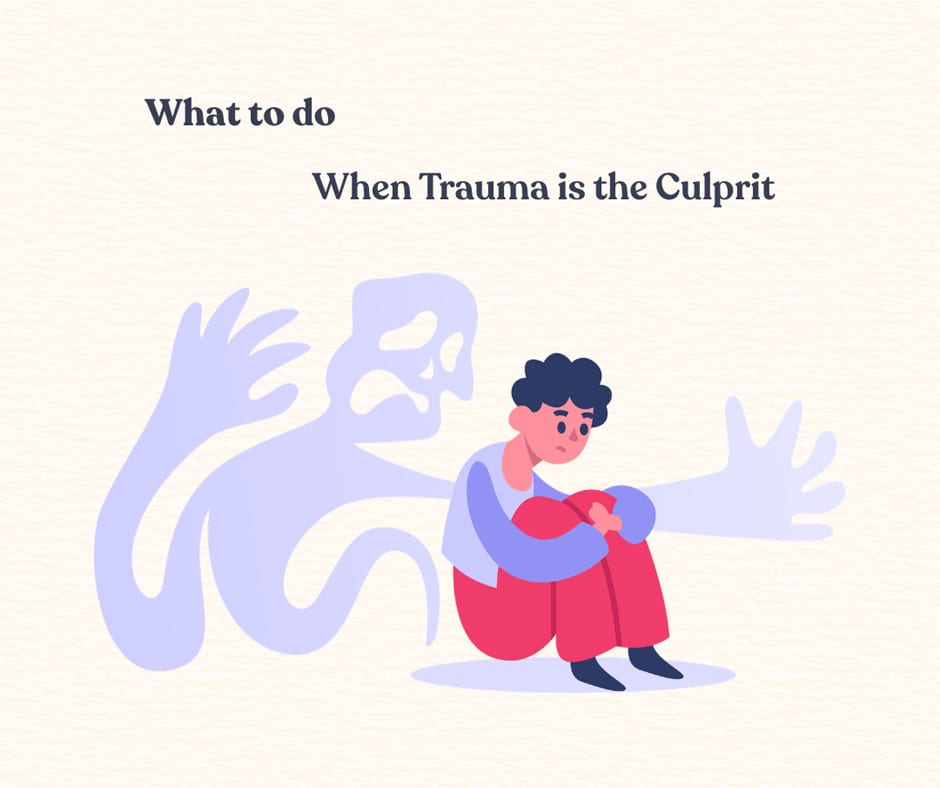
The thought that my trauma is ruining my relationship runs through many of our clients' heads before they seek help.
It's not the first time these relationship issues have occurred. But they're finally seeing it. The self-awareness feels overwhelming as it points to something that feels very out of their control.
They can feel it as they start growing apart from their loved one. They're struggling to get along. The client may be shutting down.
The loops or patterns they thought were unique to their past partners are repeating.
They've started to realize "this might actually be about me."
The sinking feeling of my trauma is ruining my relationship
The emotional pain from unresolved trauma impacts self-esteem, coping strategies, and new relationships.
Past traumatic experiences like domestic violence, abusive relationships with family members, a one-time traumatic event, or even physical abuse affect our current intimate relationships.
Nothing is harder than watching relationships slip away, or knowing there is something in the past, possibly an abusive relationship or other past trauma, that affects behavior with your partner.
Many of our clients know how they're acting, but can't seem to stop it.
When they look back, they realize that wasn't about what was going on in the moment.
It was about their past trauma.
They were responding like their partner was an abusive partner from the past or some other kind of danger.
It would happen before they knew it. They'd start to feel like there was something wrong with them, like they aren't meant for a relationship, or they are permanently broken by their past.
Their partner is confused because they've never been there, and they don't know what the client is going through and what it's like.
They reach out and try to connect over and over, with glimpses of the relationship they want so badly. But then it just slips away.
The trauma voice says, "It's not safe, you're going to get hurt again." The voice that seems to rule the relationship.
What trauma looks like in a relationship
The impact of childhood trauma or other PTSD symptoms affects relationships with loved ones in the present moment. The effects of trauma seep into every area of your life and relationships.
Trauma affects the body in that it is often in the fight-or-flight state, believing there is danger or death at the drop of a hat.
This means that the person responds to their partner as though they are attacking them, even in a healthy relationship.
Here is how this shows up in relationships:
- Defensiveness: Even little pieces of feedback feel like a personal attack that is going to end the relationship. When you've experienced trauma, it's common to feel sensitive to any sign of criticism.
- Sensitivity: Reactions to everyday interactions can appear extreme and feel overwhelming. This is a trauma response in that the nervous system thinks the situation is scarier than it is in reality.
- Hypervigilance: Constantly looking for signs of danger, abandonment, or betrayal. This means that the person is constantly searching, and their body is always on guard. The problem is that when a person is looking for something, they’re more likely to find it, even if it isn’t actually there.
- Intense sudden anger: Sudden anger over seemingly small things, and sometimes the person doesn't even understand what triggered it. This anger can come out of nowhere, and lower happiness in the relationship.
- Rejection sensitivity: The person sees rejection everywhere, in facial expressions, comments, and even friends talking without them. The truth is, the person can’t believe others care about them, so they’re bracing for abandonment.
- Catastrophizing: Expecting the worst from every interaction. A small fight becomes the end of the relationship, or a mistake at work is the end of a career. The person responds like it’s the end when it isn’t, but there are times when they can’t be convinced otherwise until they calm down.
- Assuming abusive responses: Assuming their current partner is going to respond the way their abusive ex or parent did. It’s hard to let go of how the treatment from the past and see how the person is actually being treated now.
- Reacting to the past, not the future: Instead of being present in the current moment. The person has flashbacks of abuse or traumatic moments. They can’t see the present for what it is and respond as though they are in the past. This can be especially true with survivors of sexual abuse in intimate moments.
- Emotional withdrawal: The fear of rejection, abandonment, being hurt, or being betrayed causes the person to do whatever they can to protect themself. Meaning that they shut down emotionally on their partner and can’t seem to allow themself to be vulnerable with them again.
These are not personality flaws. This is the brain's way of keeping a person safe from being hurt again. These behaviors served a purpose in the past, but now they are getting in the way of the relationship that the person wants.
The impact on the relationship, both long-term and short-term
These responses don’t happen in healthy relationships. The client and their partner love each other, but the client worries that their mental well-being is getting in the way of getting along.
All of the trauma responses create a feeling in the partner that they can never get it right. That no matter what, the trust issues are impossible to get past. They start to feel like they will never be able to help you feel safe.
The partner is either constantly trying to connect when the client has withdrawn or feeling overwhelmed when the client is feeling disconnected. The partner can’t set healthy boundaries for fear of how it will affect the client.
Both partners can feel the small breaks in the relationship happen over and over again, but they aren’t sure how to make it stop.
Both partners can tell this dynamic isn’t good for either one of them, and they don’t know how to move on. But there is hope.
Can a person move past their trauma?
If you’ve had a similar experience, you can move past this so that the trauma responses aren’t ruling your life. The first step towards a healthier relationship is to get help.
Most people find that personal growth on their own only goes so far towards trauma recovery.
The problem is that trauma impacts a person's mind and body deeper than self-help skills, and coping strategies can help.
Many people who have had these traumatic experiences are diagnosed with posttraumatic stress disorder. Trauma therapy doesn’t make it so bad things didn’t happen, but it does help the person get to the point where they are no longer ruled by their past.
Relationships do heal. Sometimes, our clients have an even healthier relationship when they are done.
Therapy can help: Schema, ACT, and Gottman
Therapy that works on the effects of your trauma, both in your relationship and individually, can really make a difference in your relationship.
ACT therapy (for individuals and couples)
ACT helps you learn to accept the overwhelming feelings and responses that your trauma history causes, instead of “getting past” them. It’s a big change from the avoidance trauma survivors often use to cope.
ACT helps you use grounding techniques and other strategies to be less connected to your feelings. What that means is you recognize they are just feelings and not automatically reality.
You get to where you still have the feelings, but you respond differently to the fact that they are there. This helps you stay in the moment and your values. You can do ACT in both individual therapy and couples therapy.
Schema individual and couples therapy
In Schema therapy, we help you identify the core beliefs that you developed about yourself as a result of the traumatic experience. Together, either in individual or couples therapy, we identify the core schema or core beliefs, and we help you to learn to meet the needs of that core schema so it is no longer getting in the way of the relationship that you are trying to build. You also learn how to build healthy schemas moving forward.
Gottman couples therapy
In couples therapy, the Gottman method helps you to recognize unhealthy patterns that are slowly breaking your relationship down. You learn to disrupt those patterns and what triggers them. You are also taught how to calm a situation down and get back on track when something has happened to throw things out of control. There is a focus on open communication and lowering the stress in the nervous system. The Gottman method recognizes that when you’re overwhelmed emotionally, you can’t necessarily respond from a healthy place emotionally.
There are other ways to help on your healing journey. There are support groups and group therapy out there that are a good add-on to individual or couples therapy. These can help you to feel less isolated and alone in your healing process.
Eye Movement Desensitization and Reprocessing, or EMDR, has been shown to be very helpful for trauma as well as Cognitive Behavioral Therapy (CBT). The important thing is that you get professional help from a licensed therapist or other mental health professional so that you can get to the other side of this trauma.
Comfort In Mind helps you and your relationship recover
If you are ready to have a more loving relationship where you are no longer worried that “my trauma is ruining my relationship”, reach out for help at Comfort in Mind. We would love to get you started back towards a happy, healthy relationship.