Schema Therapy in Ontario
Schedule a Free Consultation Now





A calm and stable relationship with yourself and others is possible. With Schema Therapy, you will learn to explore and change the underlying beliefs that have been controlling how you behave with others. Leave your childhood in the past so you can have the relationships you want.
Build healthy schemas, change your relationships, and your life
You’ve been to therapy before, you even know what your “core” issues are. But that’s where it stopped.
The core issues or early maladaptive schemas keep coming up in your relationship and other parts of your life.
When you walk away from a difficult interaction with your significant other. Your emotional states caused you both to act differently than your normal, healthy adult mode.
You know this is your early childhood experiences rearing their head through deep core beliefs.
These schemas don’t just impact the way you behave in your interpersonal relationships, they also impact your daily life through things like unrelenting standards (perfectionism), insufficient self-control (impulsivity), and impaired limits (anger, substance abuse, or use). There are many schemas one can develop, and we help you release them for good.
The schemas impact how you feel about your deepest sense of self.
Schedule a Free Consultation NowThe key is to identify and heal your early maladaptive schemas
Jeffrey E. Young, the founder of schema therapy, identified 18 Schemas that impact all areas of our lives. These schemas can create all kinds of difficulties in the relationship with yourself and others.
Here are some issues that schema therapy can help with:
- Insufficient self-control: anger, substance abuse
- Emotional inhibition: difficulty expressing emotion
- Social isolation: feeling alienated, or like you don’t fit in
- Unrelenting standards: perfectionism and high self-criticism
- Approval seeking: looking to others' approval for your sense of self
- Anxiety disorders: struggling to trust yourself and have a sense of safety
- Undeveloped self: difficulty setting boundaries and others' needs before your own
Schema-focused therapy can help you to let go of these underlying negative core beliefs, meet unmet emotional needs from negative childhood experiences, and change your coping strategies.

You can put your past and its core beliefs behind you.
Schedule a Free Consultation NowHow Schema Therapy Can Help
Schema theory believes we all have underlying beliefs that shape our thought patterns and behavior.
These schemas were developed through negative childhood experiences. They shape how we see and interact with the world.
They also affect our coping strategies, how we behave with our significant others, and our emotional regulation.
The first step is identifying your maladaptive early schemas
Schema therapy is an integrated approach of Cognitive behavioral therapy, attachment theory, object relations or psychodynamic therapy, and experiential techniques.

The key focus in schema therapy is identifying your core schemas, their cause, and the needs that are/were not met. All of this work starts with identifying your schemas and their thinking patterns. The practitioner's guide identifies 18 core schemas but divides these into 5 categories.
These Schema categories and their childhood roots are:
- Disconnection and rejection: safety, security, and emotional needs not met
- Impaired autonomy and performance: needs for age-appropriate independence ignored
- Impaired limits: lack of limits and boundaries in the family
- Other-directedness: parents' emotional needs and desires were a priority
- Overvigilance and inhibition: demanding and punitive parents
Once you have identified your early maladaptive schemas, you learn what your unmet emotional needs are.
Once you know what they are, you can focus on meeting those needs instead of depending on your relationships. Then you add healthy coping skills and begin to develop healthy schemas.
Click the button below if schema therapy feels right for you.
Schedule a Free Consultation NowStarting Schema Therapy
Schema therapy can help in all aspects of your relationship, both in individual and couples therapy.
In Individual Therapy, it can help with:
- Anger
- Feeling unlovable/ unloved
- Lack of self-love/ self-esteem
- People pleasing/ Approval seeking
- Difficulties getting along with others
- Struggling to build lasting relationships
- Needs of others above your own
- Relationship anxiety disorders
In Couples Therapy, it helps with:
- Anger or Shutting down
- Communication challenges
- Difficulty trusting for no reason
- Boundaries that are too strong or too loose
- Substance abuse and other maladaptive modes
- Irritation or escalating annoyance with each other
- Intense fights get worse than they should be
- Other maladaptive behaviors
If you’re ready to start improving your relationships and feeling more connected to the people around you, schedule a consultation today.
Start Schema Therapy Today

One
To start the process, you can click the button to send me a secure email, or you can also call me, and I’ll get back to you faster. Once we connect, we’ll find some time for a free consultation. For couples, I would like to meet both of you
Two
We’ll have a phone call where you can tell me whatever you feel comfortable with about why you are reaching out for therapy. On this call, if we are a good fit, we’ll schedule your first appointment.
Three
We’ll have our first session, either in person or over a secure online video system (telehealth). We’ll then meet every week and use schema therapy to improve your relationship with yourself and others.
Your Trained Schema Therapists in Ontario
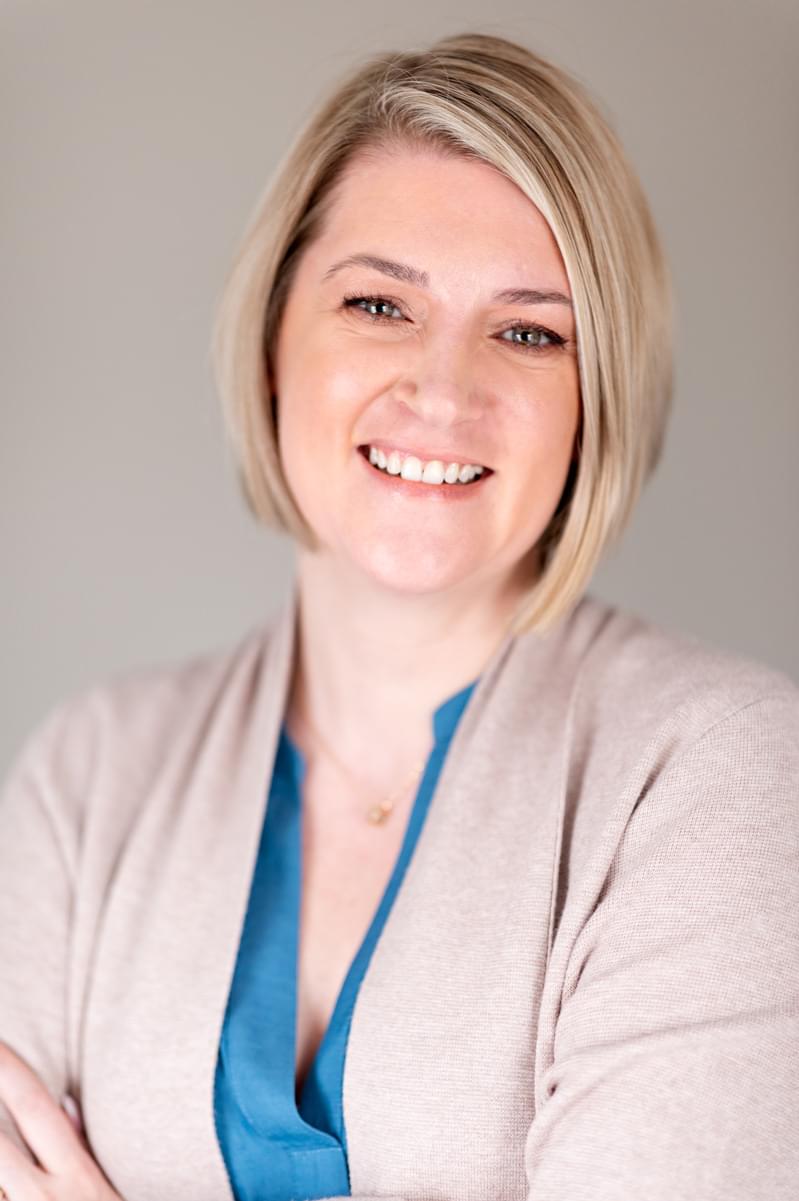
I’m Polina Fedotenko, your experienced schema therapist in Ontario. I use schema therapy with individuals and couples to help you improve your relationships, with yourself and others (significant other, work, family, and close relationships).
I’ve seen the effectiveness of schema therapy when it comes to negative thoughts, and behavior patterns.
For all types of therapy, the therapeutic relationship is most important. Feeling heard and understood is an important part of schema therapy.
I would love to help you feel more stable and confident in your relationships, where your behavior is no longer affected by your childhood experiences.
It would be an honor to help you improve your relationship with yourself and others through schema therapy.

Licensing and Training Information
I am a Registered Psychologist with the College of Registered Psychologists of Ontario and I reside and practice there.
My pertinent education:
- Bachelor of Arts Honours Psychology- University of Waterloo
- Master of Arts in Counselling Psychology- University of Yorkville
- Level 1 and 2 Cognitive Behavioral Therapy- University of Laurier
- Level 1 and 2 of Gottman Method Couples Therapy- Gottman Institute
- Treating Affairs and Trauma- Gottman Institute
- Couples and Addiction Recovery- Gottman Institute
- Intensive Sex Therapy Program- Guelph University
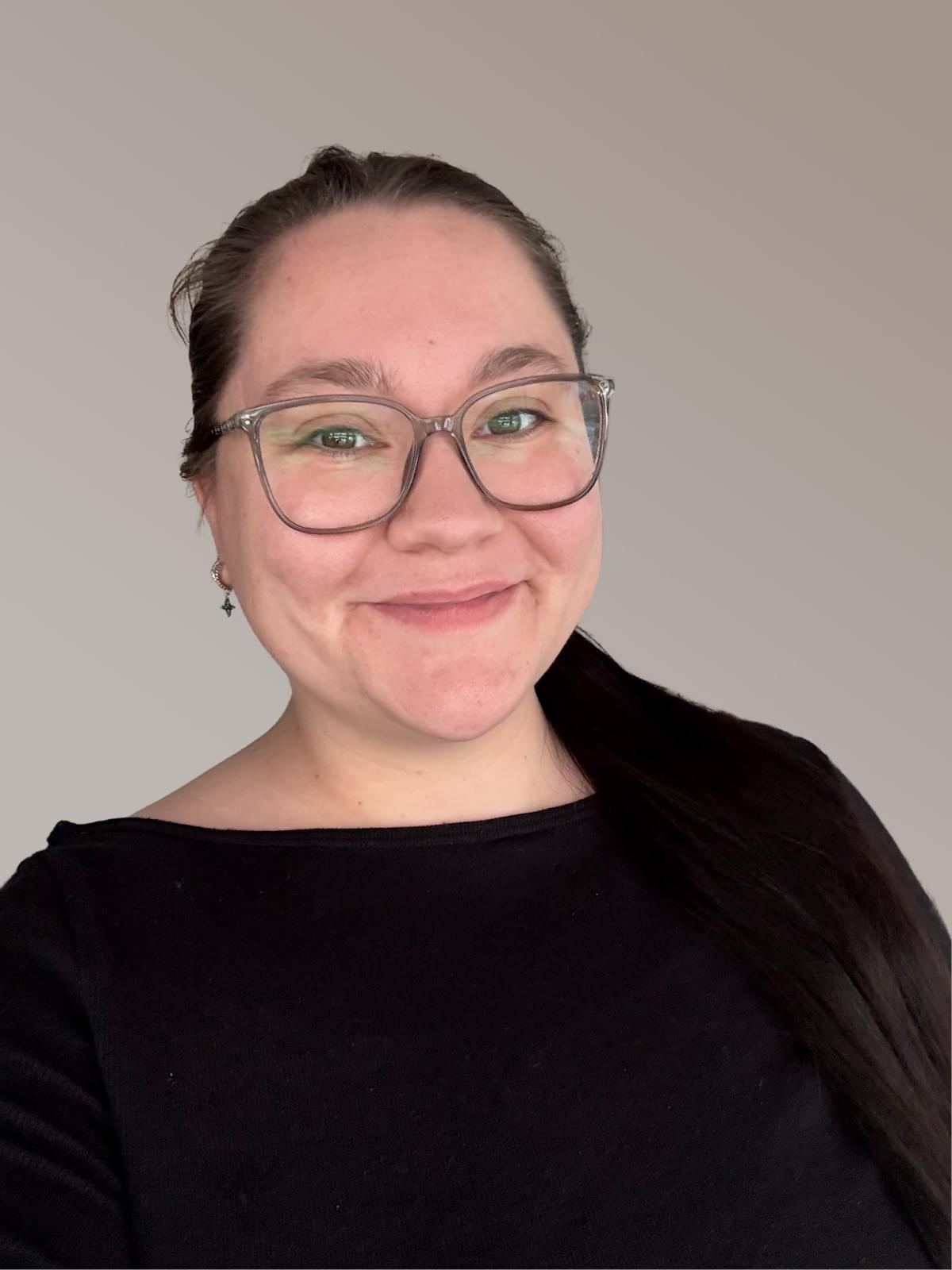
I’m Giselle Young, a schema therapist in Ontario. I use schema therapy with adults, teens, and couples to help you improve your relationships. Whether the relationship is with yourself or with others, including partners, family, and close friendships.
I’ve seen the effectiveness of schema therapy in addressing long-standing patterns tied to anxiety, depression, trauma, and self-esteem, especially when the same emotional struggles keep repeating despite insight or effort.
Across all forms of therapy, the therapeutic relationship matters most. Feeling heard, understood, and emotionally safe is a core part of schema therapy and lasting change.
I would love to help you feel more stable and confident in your relationships, where your reactions are no longer driven by old emotional patterns formed earlier in life.
It would be an honor to help you strengthen your relationship with yourself and others through schema therapy.
Licensing and Training Information
- Master of Arts in Counselling Psychology from Yorkville University
- A Graduate Certificate in Mental Health and Substance Use from Conestoga College
- Bachelor’s degree in Sociology and Women and Gender Studies from Wilfrid Laurier University
Start your Journey Towards Better Relationships with Schema Therapy
FAQs About Schema Therapy in Ontario
What is schema therapy, and how does it work?
Schema therapy is a cognitive therapy that uses attachment theory, behavioral techniques, psychodynamic theory, and experiential techniques to help a person deal with negative emotions and maladaptive coping styles. For example, someone who is experiencing a lot of anxiety in their relationships, or tends to push other people away, or gets too close too fast. The goal of schema therapy is to learn to meet your own needs that the schema is trying to get met by others.
What exactly are schemas, and how do they affect my relationships?
Schemas are core belief systems that developed as a response to negative past experiences, usually in childhood. These schemas, while they helped you deal with unmet needs as a child, cause problems for you as an adult in your daily life and in your relationships. They cause negative thought and behavior patterns, as well as cause you undue emotional distress that has more to do with your beliefs about yourself than what is going on in the moment.
How is Schema Therapy different from other types of therapy?
Schema therapy isn’t just emotional support or changing your thoughts and behaviors. Its treatment approach involves changing what you feel and believe about yourself on the deepest level. It doesn’t just involve changing your thoughts and behaviors, but also what’s called limited reparenting, where you learn to meet the unmet needs that were missing in your early experiences. You learn to meet your own needs in adaptive ways instead of the needs of others.
What are the 5 basic needs of schema therapy?
The 5 basic needs of schema therapy are needs that are supposed to be met in childhood. If those needs are not met by the caregivers in the child’s life, then early maladaptive schemas develop. These 5 basic needs are: secure attachments and love, safety, stability, and protection, having your uniqueness valued, the ability to be spontaneous, express emotions, and boundaries, and learning right from wrong. When these needs are met in childhood, the adult is able to interact with the world with healthy coping skills and beliefs about themselves.
What are schema modes?
Schema modes are emotional states that include multiple schemas and their coping responses. It’s common to cycle through these modes throughout the day. These modes are: vulnerable child mode, angry child mode, punitive parent mode, and healthy adult mode. Some of these may have maladaptive coping modes.
How long does schema therapy take?
Schema therapy is a long-term therapy. As we are moving patterns that have existed since childhood. Lasting change can take quite a while. Some clients see improvements in a couple of months, for others it can take as long as a year.
Is schema therapy evidence-based?
Yes, schema therapy is evidence-based. The research studying its effectiveness has shown that it is very helpful for clients who are struggling with relationships.
If schema therapy in Ontario sounds good to you...
Schedule a Free Consultation NowAre you ready to leave your childhood beliefs behind you?

Develop relationships you want and where you feel wanted today. Click the button below to get started.
Schedule a Free Consultation Now